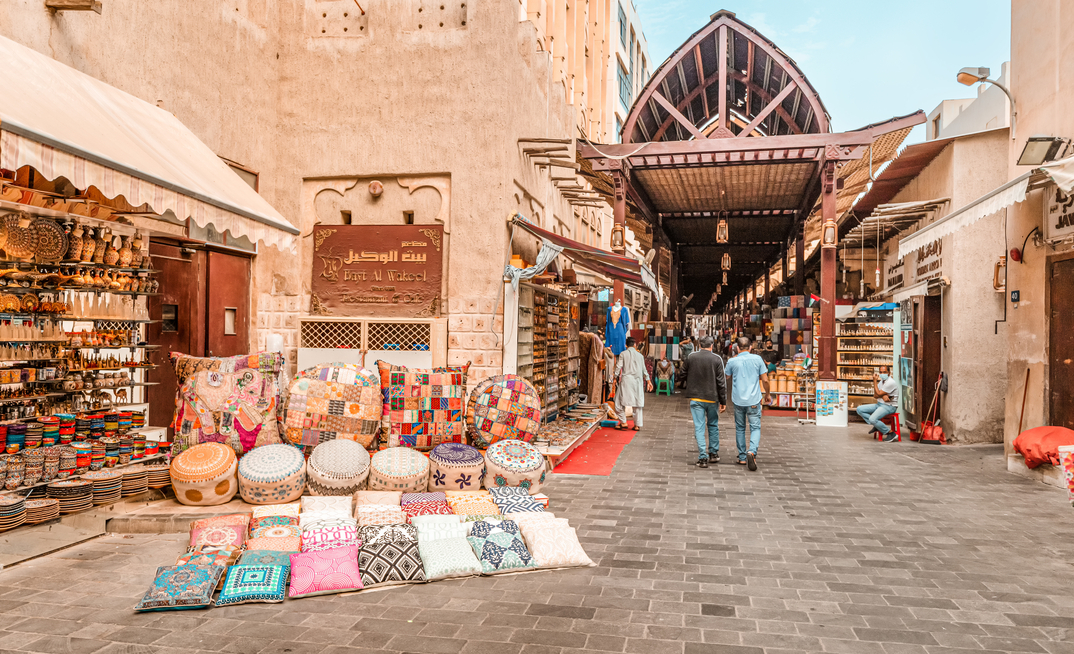


On a weekday morning, the lanes of Deira's Gold souq are calm and easy to navigate. I chose this time to visit on purpose. The taxi driver who dropped me off shared the same advice as many other locals: "After sunset, you can't move in the area around the souq, the traffic and people are too much."
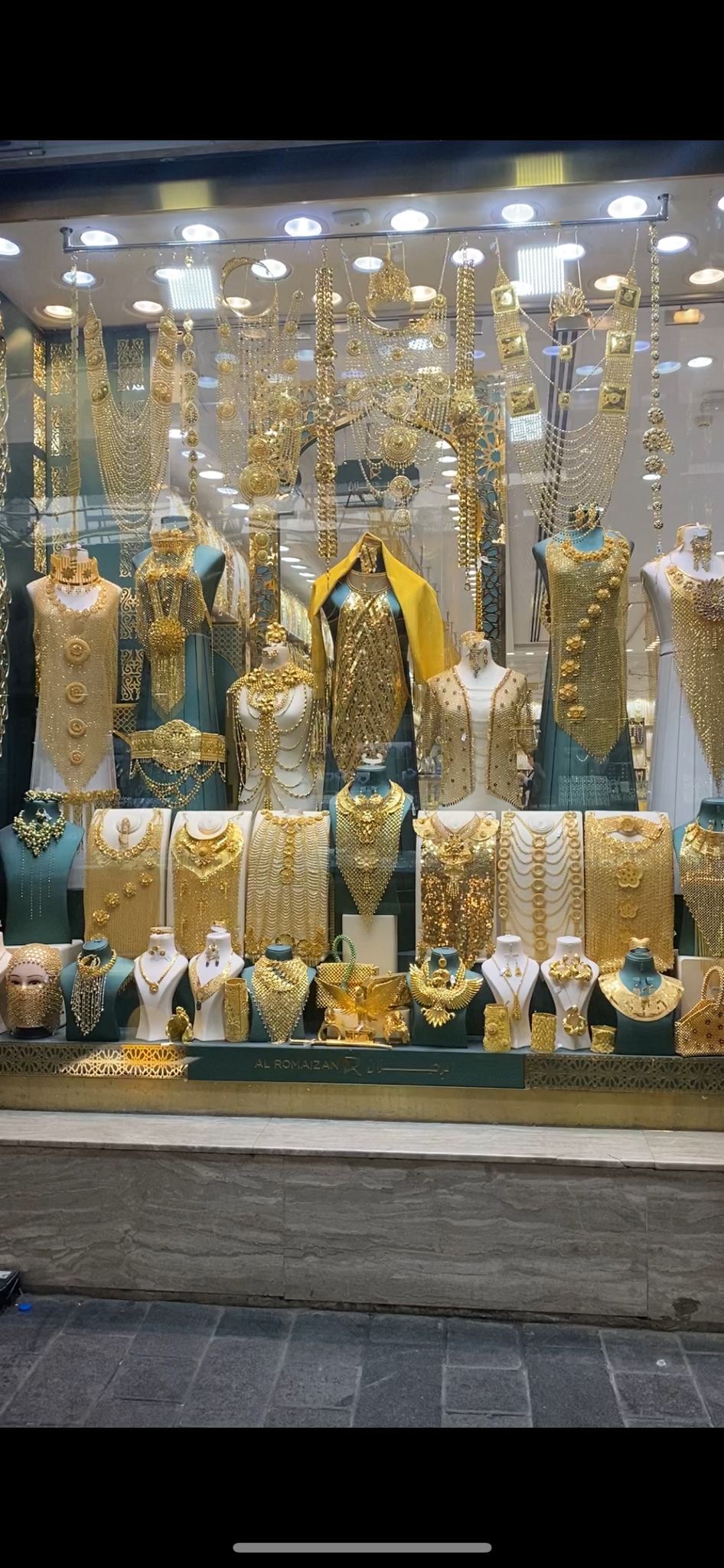
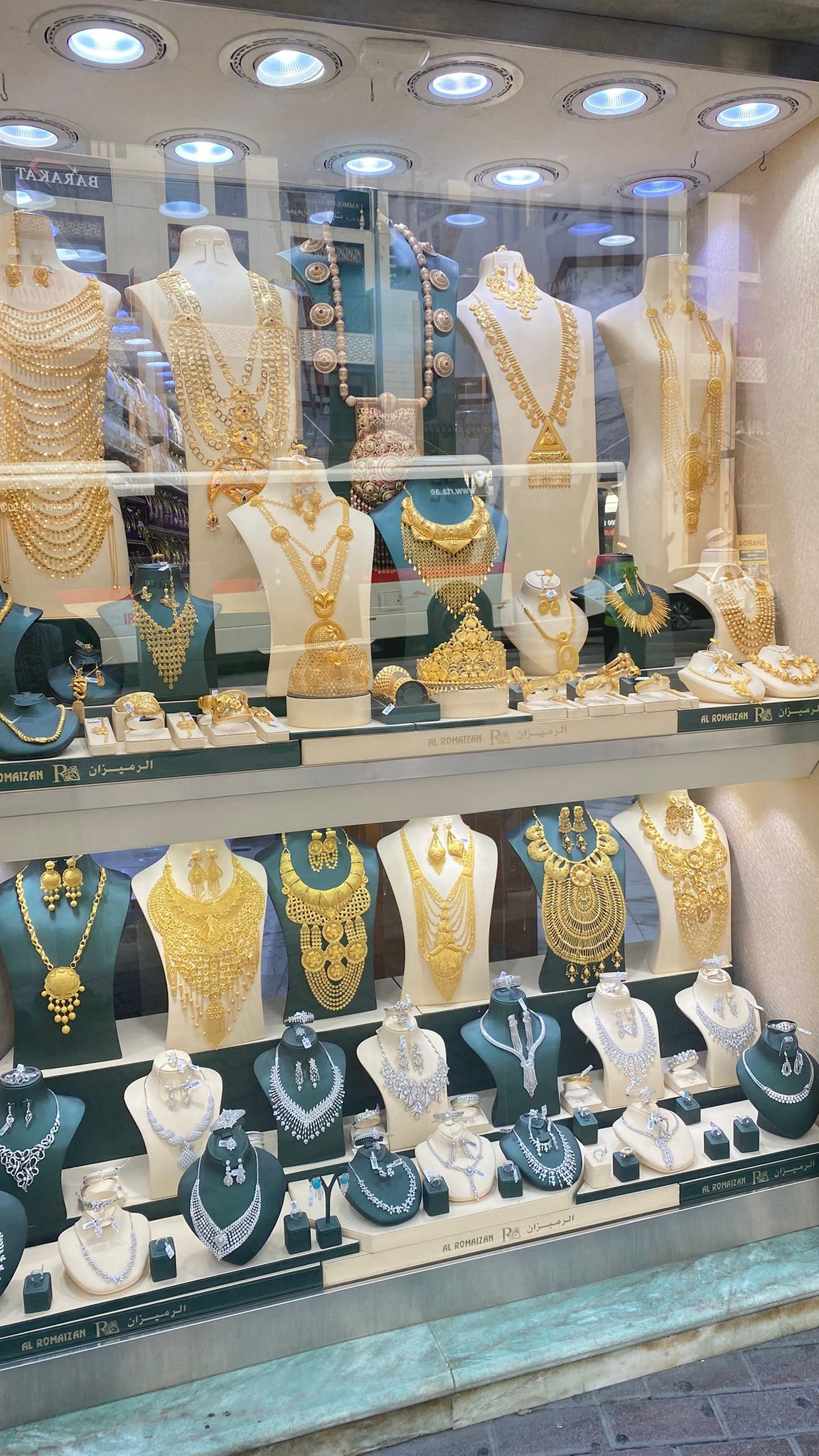
With most residents still at work (or hiding from the early-September heat), only a handful of tourists wandered between the wooden awnings, pausing to peer at window displays where ornate gold necklaces (and even gold lingerie) drape across mannequins.
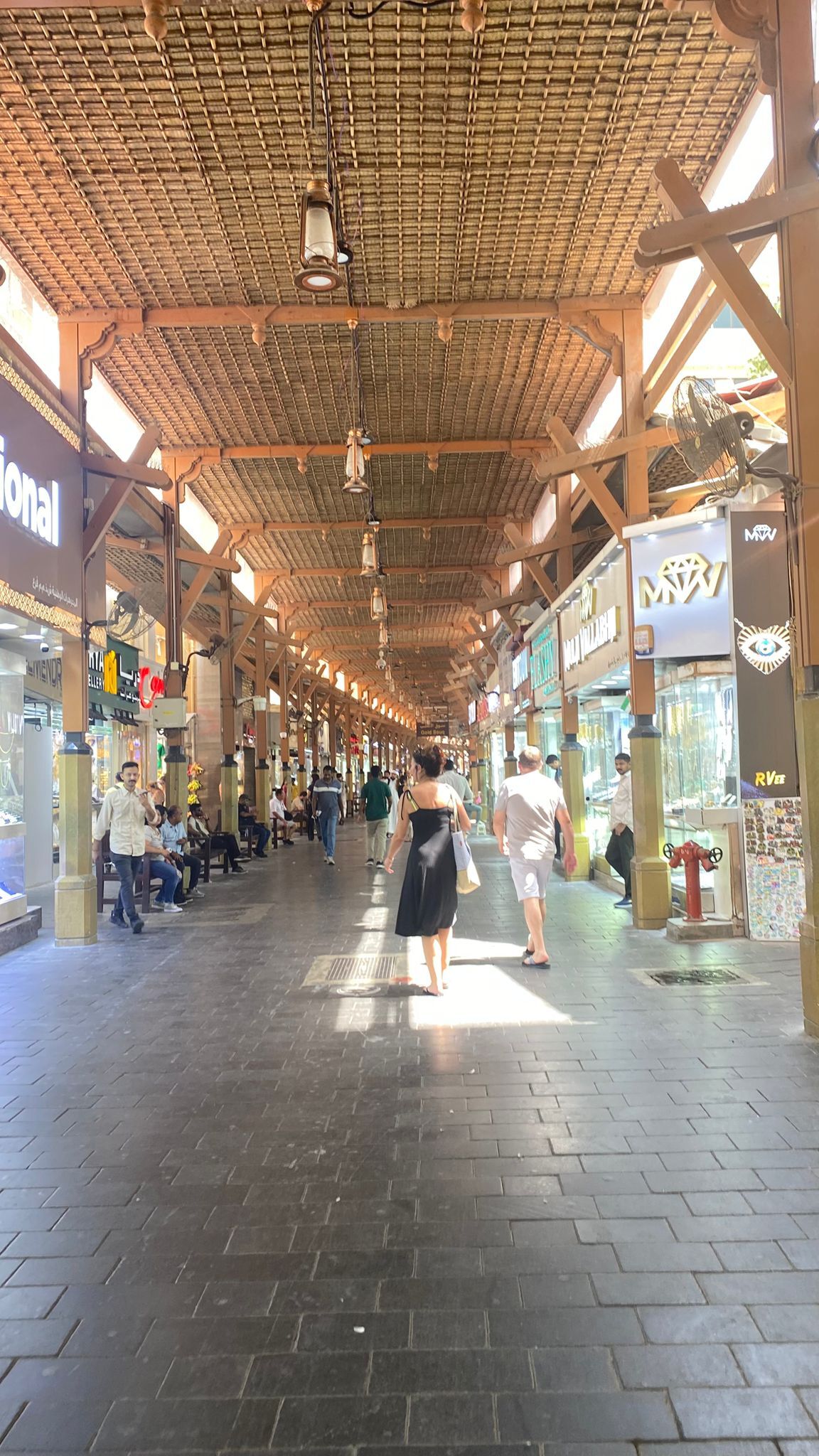
I chose this quiet hour to get a clearer look at the marketplace, which is both an Emirati institution and a critical node in the global gold trade.
YOU MIGHT ALSO LIKE
For many in Dubai, gold purchases are cultural and familial. Growing up here, the annual visit to the souq was a ritual. A chunk of every year's income was invested in a piece of jewellery or coin, then deposited in a locker for safekeeping.
Now in 2025, with prices above $3,700 an ounce, the souq has also become a showcase for international flows of bullion, much of it sourced far from the Gulf.
The search for a coin
Posing as a buyer for a 24-carat gold coin, I visited several shops in the market. The first shopkeeper I met was standing in the winding corridor, beckoning with the kind of friendly insistence familiar to anyone who has walked a Middle Eastern market.
I followed his lead off the main thoroughfare into a smaller alley and entered a small shop where the gold jewellery on display was less ostentatious than the displays outside.
Browsing through the jewellery, I asked him where gold came from, and was told that the make was either Italian or Singapore. Further pressed, the shopkeeper shared that while most of their jewellery was bought ready-made, the raw gold was sourced from "many places in Africa".
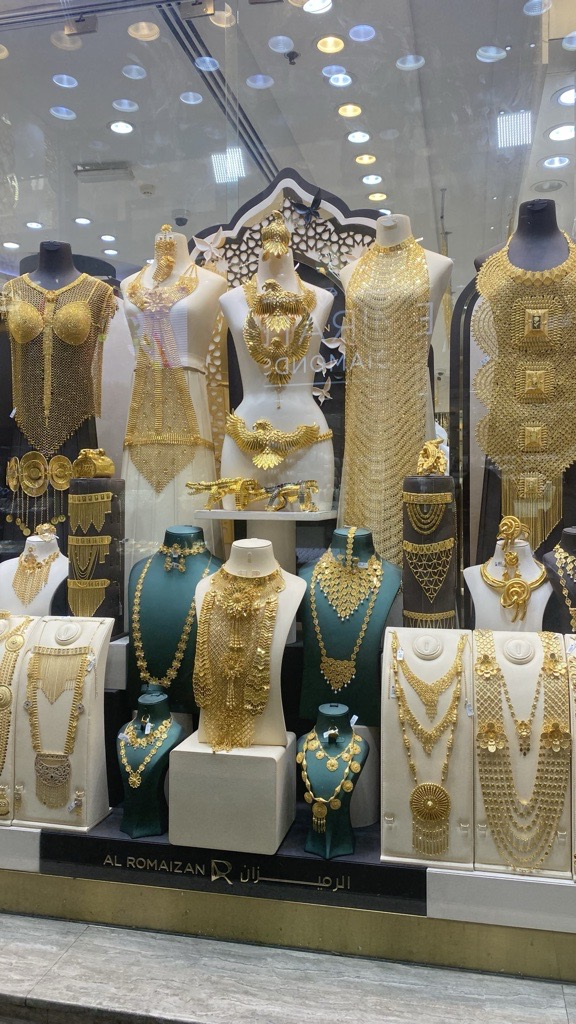
The second store, entered directly from the main souq, offered a similar story. "I can't tell you where exactly, but it comes from Africa, like Ghana, Zambia, Zimbabwe," the man behind the counter said.
Asked whether global politics had affected his business, he deflected the question. "The price has gone up, that's what affects us, but still people do buy."
In the final shop, staffed by a Filipina assistant but run by Indian jewellers, the answer was once again opaque. "We buy ready pieces, so I can't tell you exactly where the gold came from, but the make is Italian."
When I asked if I could see any certification related to the source of the gold, I was met with confused expressions.
On the gold price, one of the shop attendants said that "since the gold price went up, fewer local people come, but they still do come, more and more tourists are coming though."
The sense at the souq certainly was that sourcing is opaque and buyers are expected to take pieces at face value.
A souq in transition
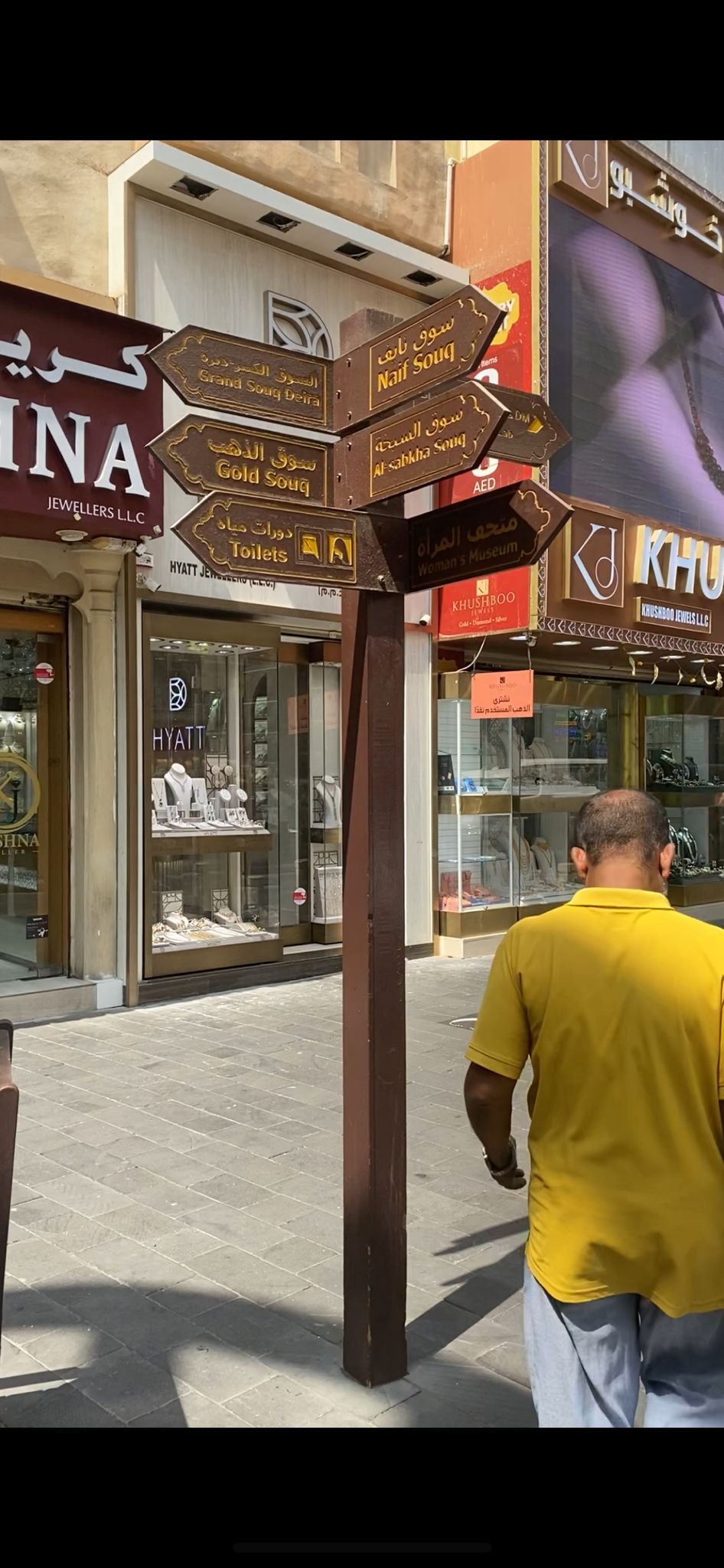
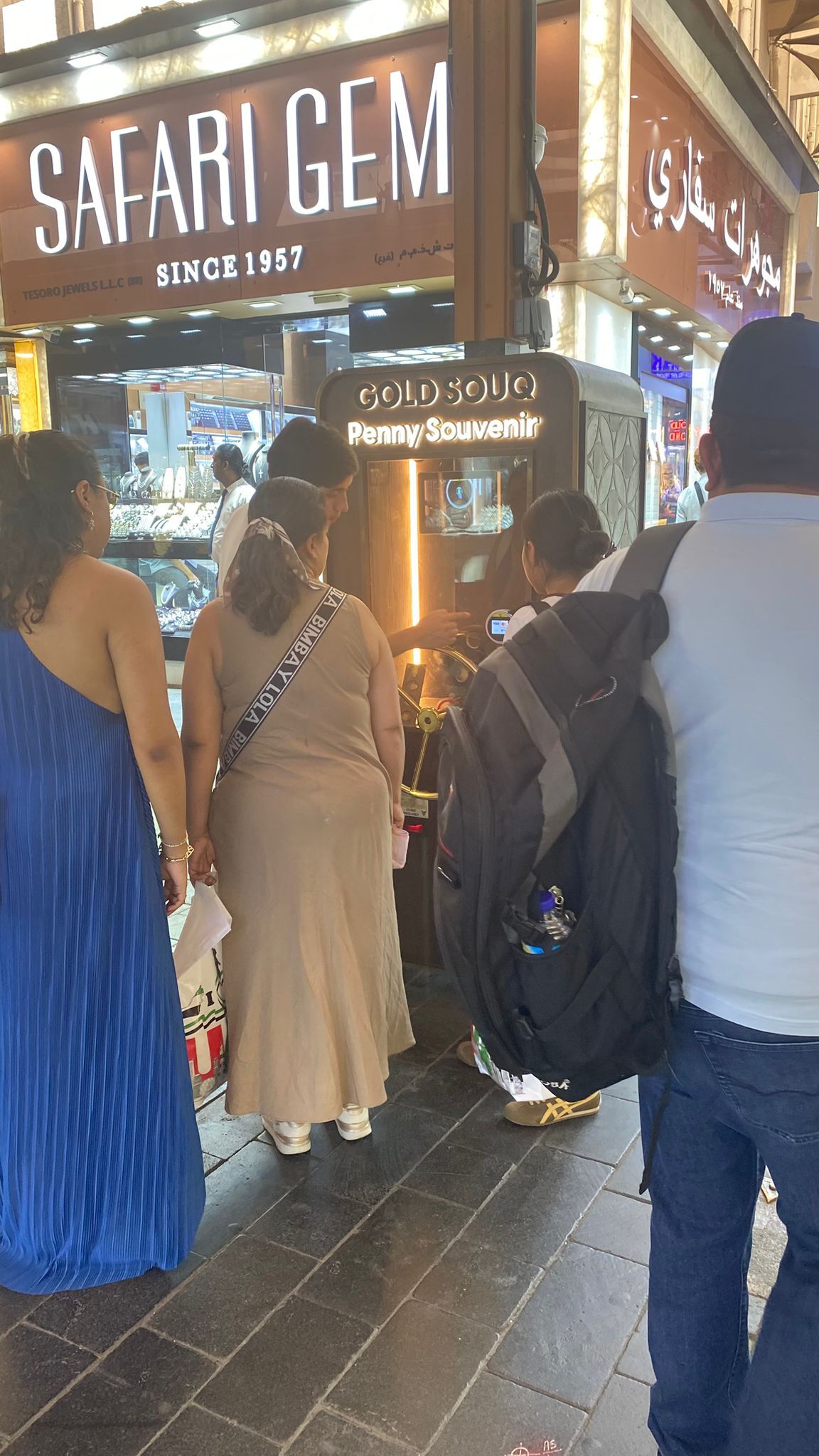
The souq itself is undergoing transformation. Its some-380 shops remain the backbone of Dubai's jewellery trade, but the addition of novelty stalls, like one selling camel milk ice cream and souvenir ‘gold' coins, shows that it is quickly becoming a tourist hot spot.
Indian and Arab families dominate the trade, catering to bridal markets, often with ornate, weighty sets, and also to the regular investor. The clientele has also changed.
"A lot of tourists come," one jeweller said. "And they do buy. They buy a lot."
Dubai's gold trade is burgeoning, and the souq is the retail-facing tip of an iceberg; a global system of flows connecting artisanal miners in West Africa to bullion markets in Asia.
Dubai as a gold hub
The UAE has no mines of its own, yet it is one of the world's largest gold trading hubs. Between 20–30% of global bullion passes through the country annually, according to a report by In Gold We Trust.
Dubai alone accounts for much of this, with gold entering through the Jebel Ali Free Zone before being refined, re-exported, or sold in the souq, according to a Financial Action Task Force (FATF) risk assessment of the UAE.
The emirate's rise has been helped by policy. Low taxes, minimal import restrictions, and a strategic location between African producers and Indian and Chinese consumers have made Dubai the world's second-largest gold trading centre, surpassing the United Kingdom in 2023, according to the Dubai Multi Commodities Centre (DMCC).
But this rise has drawn scrutiny. A 2020 report by the Global Initiative Against Transnational Organised Crime (GIATOC) concluded that "lax due diligence and responsible sourcing obligations have created a free-for-all for gold smugglers. Research by the GIATOC has found that Dubai is the dominant export destination for illicit gold flows from across Africa."
FATF found similar vulnerabilities in its assessment, pointing to weak supervision and a heavy reliance on cash transactions in the gold trade.
According to the GIATOC report, gold is often hand-carried into Dubai from West Africa, and declared only with a UAE customs form.
Dealers in the souq need no further information, and gold can be recorded as "scrap" rather than mined metal. This allows refineries to claim they do not source directly from artisanal or high-risk mines, even when the gold clearly originated there.
The junior perspective
For junior miners in Africa, Dubai's openness is a blessing and a necessity.
Sipho Ngwenya, managing director of junior gold miner Trit Mines in Zimbabwe, described the difficulties of accessing Western markets.
"Look, UAE is the biggest re-exporter of gold in the world," he said. "It's much easier for me to deal in the UAE than to go with gold to England. You know, they're gonna ask me a lot of questions. The average [junior] miner will not pass any of that compliance."
In the case of Zimbabwe, Ngwenya pointed out that most small-scale miners are formally registered in the system, but often don't have access to the capital needed for extensive checks and guarantees.
"But if those guys bring gold to Dubai, we're gonna take it. We're not gonna tell him, you don't have X certificate, so we're not taking this gold. That's where the difference is."
The difference has regulatory and reputational costs, but for operators squeezed by Western compliance obligations, it is also an opening.
Essentially, Western due diligence excludes large volumes of African gold; Dubai's approach absorbs it.
Regulatory patchwork
Faced with international pressure, the UAE has begun to adjust.
In 2021, it launched the "UAE Good Delivery Standard" for gold, a voluntary scheme modelled on the London Bullion Market Association's system.
In July 2022, the Ministry of Economy issued mandatory Due Diligence Regulations for Responsible Sourcing of Gold, requiring all refineries to implement risk assessments and third-party audits.
Safeya Al Safi, director of the ministry's anti-money-laundering department, said at the time that the effort was "the culmination of the UAE's efforts to enhance the system of good delivery of gold through the issuance of Due Diligence Regulations for Responsible Sourcing of Gold. The adherence to these guidelines is mandatory for all gold refineries operating in the country."
The lasting impact of these regulations is yet to be seen, but at the souq, certification at the retail level still appears to be rare.
Price surge and shifting demand
All of this is happening against the backdrop of record prices. According to Market Watch, gold futures recently topped $3,800 per ounce, up 45% this year, marking the best monthly performance since 2020.
According to local media, the cost of 24-carat gold has increased in the UAE to Dh448.75 in September 2025, compared to around Dh223.5 in October 2023.
The footfall in the gold souq remains high. "Since the gold price went up, fewer local people come," one jeweller said. "But they still do come, more and more tourists are coming though."
The In Gold We Trust report noted that central banks are adding to the pressure by stockpiling reserves at record levels, while geopolitical shifts such as Russia's sanctions and China seeking custodial roles are re-routing bullion through alternative corridors.
Dubai, with its free zones and logistics, sits at the centre of this reordering.
Tradition and opacity
The souq's duality is clear. On one hand, it is a place of tradition for families buying bridal sets or investing in bangles and coins.
On the other, it is an entry point for billions of dollars' worth of bullion, some potentially sourced from conflict-affected areas, with supply chains difficult to trace.
As one shopkeeper put it: "They sell it, we buy it. I don't know anything further than that."
For junior miners like Trit Mines, this pragmatism is what makes Dubai viable.
The wider implications
Dubai's gold market is a case in point about a larger tension in the minerals trade. Western jurisdictions have tightened compliance frameworks, effectively pushing artisanal and semi-formal supply chains out of their markets.
The result has not been cleaner gold but a redirection of flows. As GIATOC noted in its report on Dubai: "Gold is laundered into a refined product that is acceptable to the world's most reputable gold hubs."
The UAE has promised to raise standards, but only time will tell how much this actually affects the transparency of the supply chain. For now, the Gold Souq remains a microcosm of the contradictions shaping global bullion trade: open, efficient, culturally rich, and stubbornly opaque.